Question: What are simple spiritual tools for personal transformation?
The tools that actually move something in you are rarely complicated. They are, almost without exception, practices of attention. What you notice, what you quiet, what you return to — these are the mechanisms. Not belief systems. Not elaborate ritual. Attention, directed with some consistency, is what changes the interior landscape.
The source material I work from names four principles and five rites and rituals. I want to walk through the ones that are most immediately usable, because I find people often overcomplicate this at the start, and then abandon everything when the complexity becomes a reason not to begin.
Stillness is not a preparation for the work — it is the work
The first practice is quieting the mind. Not emptying it, which is a misunderstanding that causes a lot of unnecessary frustration. Quieting it. Bringing it to a point of sufficient stillness that something other than the mind’s habitual chatter can be received.
If your mind is cluttered and busy, you can only receive cluttered guidance. That is not a metaphor. It is a description of what actually happens when you try to access clarity from inside noise. The guidance comes through, but it arrives fragmented, contaminated by everything already running.
Focusing on the present moment opens the aperture. The image I use for this is a wide-open desert. Nothing obstructing the view. No trees, no buildings, no accumulated history blocking the sightline. That is the quality of mind that receives clearly. And getting there is not a matter of technique so much as willingness to stop adding more to the pile.
The dark night of the soul is, in many traditions, the moment a person stops trying to solve their situation through their own intelligence. There is a phrase from recovery programs that holds a precise instruction inside plain language: let go and let God. What this names is the moment the impossible problem gets placed somewhere outside the ego’s grip. I have found that impossible problems are often constructed specifically for this purpose. They are large enough that there is nowhere else to turn. The only available response is one word, offered inward: Help. That single word, meant, is enough to activate something.
Creating a container is a signal to the mind that you are reaching beyond it
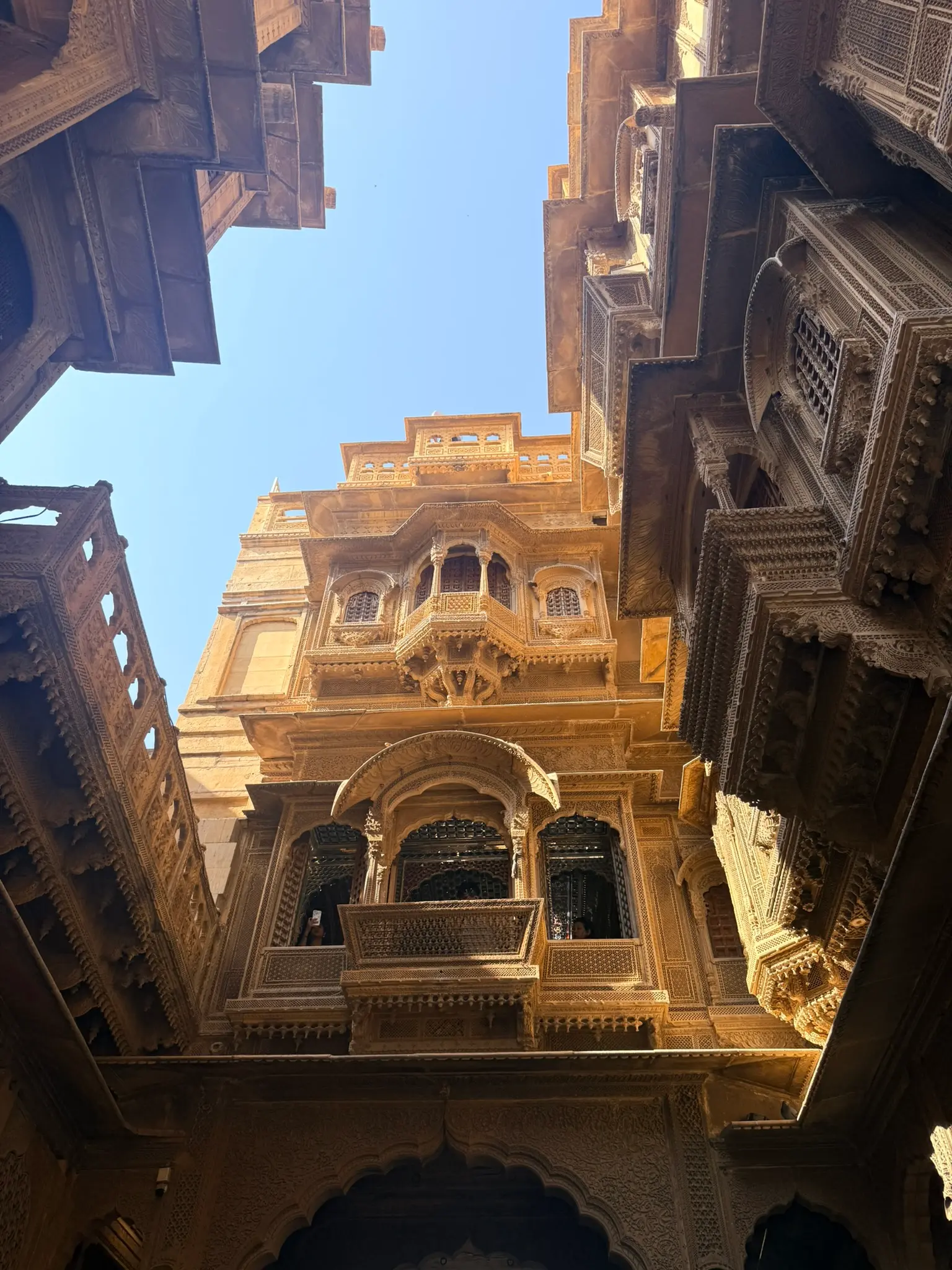
Before any transformative work, the practice is to create a container. A space that is separated, in some meaningful way, from the ordinary run of the day. This is not unique to shamanic work. A church, mosque, or temple is a space that functions identically, architecturally and symbolically. The magic circle in Wicca. The druidic grove. The separation is the point.
But the container does not require a dedicated space. Lighting a candle. Burning incense. Sitting in front of an altar. Putting down the phone. These are not decorative. They are signals, primarily to the mind, that you are entering a different quality of attention. The mind benefits from knowing this. It helps it step back from its managerial role.
I have created a container on the subway. In a waiting room. Inside a crowd. If you are in pain or distress and have no apparatus at all, you always have your breath. Becoming aware of the breath, following it, is a container. It is the most portable one available, and it costs nothing and requires nothing to be arranged in advance.
Gratitude is not a mood — it is a practice of accurate perception
The instruction here is specific: give thanks for the abundance already visible. The birds in the sky. The colour of leaves on a tree nearby. Not abstract gratitude. Specific, observed, present-tense gratitude for what is actually in the field of vision right now.
The purpose is not to manufacture positivity. The purpose is to train perception toward what is already present. Most attention moves habitually toward what is absent, what is wanted, what has not yet arrived. That orientation keeps a person in a constant state of reaching, which has a particular quality of anxiety built into it.
Pray into what is already here. Not into what is wanted. The practice is to become a vessel that recognises sufficiency rather than one organised entirely around lack. The universe rewards the prayers of having enough with more. This is not a promise of abundance in the material sense. It is a description of what happens perceptually when you shift the direction of attention. You begin to see what was there all along.
The wound is not an obstacle to transformation — it is frequently the entry point
This is the idea I return to most often, because it runs directly counter to how most people approach their own pain. The assumption is that the wound must be closed before the work can begin. That you have to be sufficiently healed to access something larger.
The opposite tends to be true. Rumi’s line names it directly: the wound is where the light enters. Your deepest pain, the most carefully protected vulnerability, the place you have most consistently defended — that is often precisely where grace and genuine change move through. Not despite the wound. Through it.
The alchemical tradition calls this the dissolution of the ego. The shamanic tradition calls it the wounded healer initiation. The wound is not incidental to the path. For many people, it is the path. Being broken open is what makes it possible to carry something useful for others later. The wound becomes the gift, not by being resolved or transcended, but by being moved through with enough honesty that something real is learned there.
This applies across the different kinds of separation the source material names: from self, from others, from the body, from the earth. Each one involves a specific wound and a specific practice of return. None of them require perfection before beginning. They require only that you look directly at the place where the separation actually lives.
If any of this is landing in a way you want to continue, you can subscribe to my newsletter, where I write regularly from the same ground this article comes from.