Anhedonia
Last Sunday I did something I would later regret. I tried a little bit of a friend’s GLP.
For women who are no longer where they were, and not yet where they are going. For those who do not need their experience simplified, but named more precisely.
Already subscribed? Send me a question.
Last Sunday I did something I would later regret. I tried a little bit of a friend’s GLP.

The other day, in a yin yoga class at my favorite studio, Wild Thing, I discovered that I am in excellent shape. Unfortunately, only from the neck down.

We tell ourselves we have a thousand problems. Money. Time. War. Loneliness. The climate. Our bodies. Our relationships. Our governments. We stack them up like they're separate fires, each needing its own bucket of water.

There is a kind of naked that has nothing to do with skin. Soul Naked is that invitation, whispered through every post and story and small teaching I place in my feeds like seeds pressed into soil.
If you have been hiding under a rock, you might not be aware: there is a viral conversation happening about women quietly quitting their husbands, a conversation that has struck a painful nerve in our cultural gestalt.
I grew up confused about which religion I belonged to.
Not in a dramatic, tragic way. Just in the ordinary way a kid absorbs half of one thing and half of another and ends up holding both, unsure which hand to raise when someone asks “what are you?”

The best work I’ve done a a healer happens when I get fully out of the way. Not a little out of the way, not halfway out of the way, but entirely surrendered, empty enough for something beyond me to move through.

My great grandfather was a rabbi with a large synagogue in Iran, and in his community he was known as a miracle maker, a manifester.

The best advice I ever received arrived in a single sentence: before you commit to someone, travel with them.
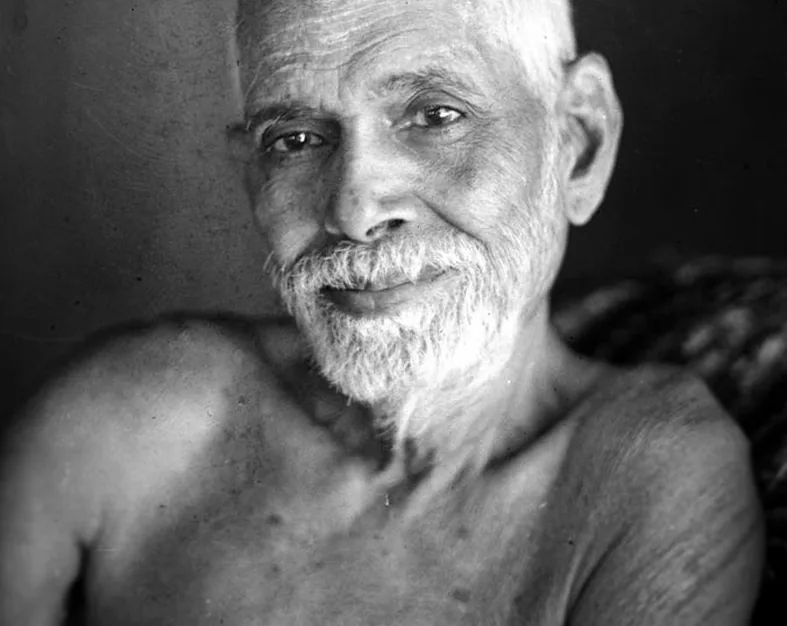
There is a teaching that lives in the space between breaths. Ramana Maharshi called it self-inquiry — not as a practice you perform, but as a recognition of what has always already been.