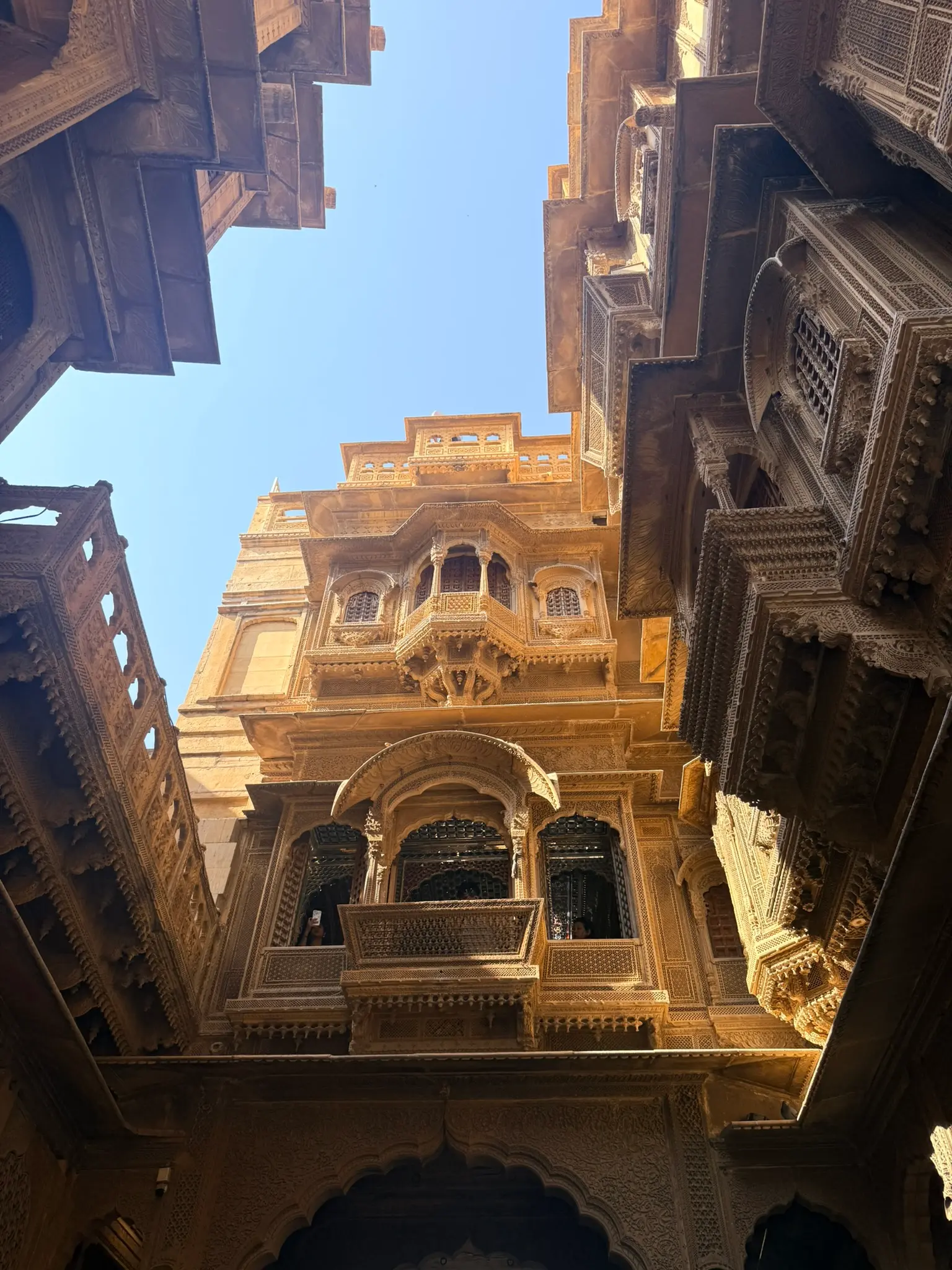
At its core, spirituality is about how you seek and experience meaning, connection, and inner peace. It is not only about which building you sit in on Sundays. It is the way you connect to yourself, to other people, to nature, to the present moment, and to whatever you experience as sacred or larger than you.
Religion, by contrast, is a structured system of beliefs, texts, rituals, and institutions: the outer architecture of faith. Being spiritual without being religious simply means you are more interested in direct experience, inner alignment, and lived values than in doctrine, labels, or membership. You may still believe in a higher power or in the intelligence of life itself, but you do not outsource your relationship with it to an institution.
Why This Path Resonates Now
Many people today step away from organized religion after painful experiences, or because they associate institutions with division and intolerance, but they keep their hunger for meaning. They are not rejecting the sacred. They are rejecting stories and structures that do not feel aligned.
At the same time, there is a growing sense that nature, music, service, and intimate relationships can carry just as much God frequency as a sanctuary or scripture. In that context, being spiritual without being religious is not vague or flaky. It is an intentional choice to prioritize authenticity, direct experience, and personal responsibility for your growth.
How It Looks Day to Day
A non-religious but deeply spiritual life does not need to look dramatic. It can live inside the rhythm of an ordinary day.
In the morning, you might orient to something larger. You start the day with a few minutes of silence, breath, or meditation, not to be good, but to remember you are more than your thoughts and to feel connected to life itself. Instead of praying from a fixed script, you might place a hand on your heart and ask, “How do I serve today?” or “How can I be honest and kind today?”
At work, spirituality can mean bringing awareness into money and ambition. It looks like noticing your triggers—scarcity, competition, ego—and using them as invitations to come back to presence rather than acting them out unconsciously. You make business decisions that honor both impact and integrity, because your spirituality includes how you treat people, not just what you do on a cushion.
In the body, spirituality looks like caring for the vessel. You treat movement, sleep, food, and play as spiritual practices because they shape your awareness and resilience. A workout, yoga flow, or walk in nature becomes a way to listen to your body, not punish it; a place where you remember, “I am not just a mind dragging a body around.”
In relationships, spirituality becomes conscious communication and repair. Conversations, conflict, and intimacy become practice grounds for presence, deeper listening, pausing before reacting, and owning your projections. Spirituality here means asking, “What is actually happening in me right now?” before you blame or shut down, and choosing truth over performance.
In service, spirituality becomes meaning beyond the self. You build service into your life not as a checkbox, but because giving time, care, and attention opens you beyond your own story and reliably shifts your state. Volunteering, mentoring, or supporting causes you care about becomes one of the primary ways you feel connected to something bigger than your personal narrative.
At night, spirituality can look like integrating your day. Instead of scrolling until you pass out, you might do a short reflection and ask where you were most awake today, where you were most asleep, and what you are grateful for. You do not need a formal religious ritual to mark the end of the day. You simply turn your attention toward meaning, learning, and something larger than your to-do list.
Everyday Practices That Do Not Require Religion
These kinds of everyday practices tend to show up again and again in people who call themselves spiritual but not religious.
Presence practices can include simple meditation, mindful breathing, or journaling to stay in honest contact with your inner world.
Nature can become a temple. Regular time outside—with the ocean, trees, sky, or land—becomes a way of treating nature as a living scripture of connection, not just scenery.
Values-aligned choices become a form of devotion. Your deepest values—truth, kindness, courage, justice—become your commandments, and you return to them when you drift.
Community can exist without dogma. Circles, retreats, and friendships can give you a place to explore meaning with others without needing everyone to share the same belief system.
Art, music, and embodiment can become doors into transcendence and healing, not just entertainment.
Everyday sacredness means treating ordinary acts—cooking, parenting, investing, hard conversations—as places where you can remember who you really are and what you are here to embody.
If you imagine your own life as the temple, spirituality without religion is simply the choice to keep that temple honest, awake, and in service, even if you never step inside a church.