Dear Readers,
There are places in the world where wisdom still moves through the trees, where knowledge isn’t written but sung, danced, and carried in the bones of those who remember. The jungle is one of those places.
Over a period of nearly ten years, I studied with a Colombian healing lineage that was strongly masculine. It was rigorous and demanding, teaching me that true strength often emerges from unwavering resilience in the face of challenge.
That lineage was challenging in every way. Their healings were warrior healings, processes that lasted all night long and took every ounce of my courage and surrender.
During this time, I changed entirely. I learned to work directly with the shadow, to navigate vast oceanic realms of energy, and, most importantly, to cultivate inner grit. Strength—whether spiritual, physical, or emotional—is the by-product of facing adversity head-on.
Think about it—exercise is essentially putting your body into adverse conditions to build strength. Spiritual stamina is no different. It comes from facing the unfaceable over and over again, much like lifting a weight.
But all chapters close in time. Over a year ago, the chapter of intense apprenticeship with this particular tribe closed for me. It was the end of a monumental spiritual era of my life.
These past months have been a time of integration, absorbing what I learned during those precious years in the trenches of this Colombian lineage.
I believe in apprenticeship over a lifetime, not just when we are young. I also believe in being faithful to our teachers deeply during the time we are receiving their knowledge. I’ve never been the type of person to study with multiple teachers at once, mixing into one cup many transmissions. I am a one-transmission-at-a-time kind of girl.
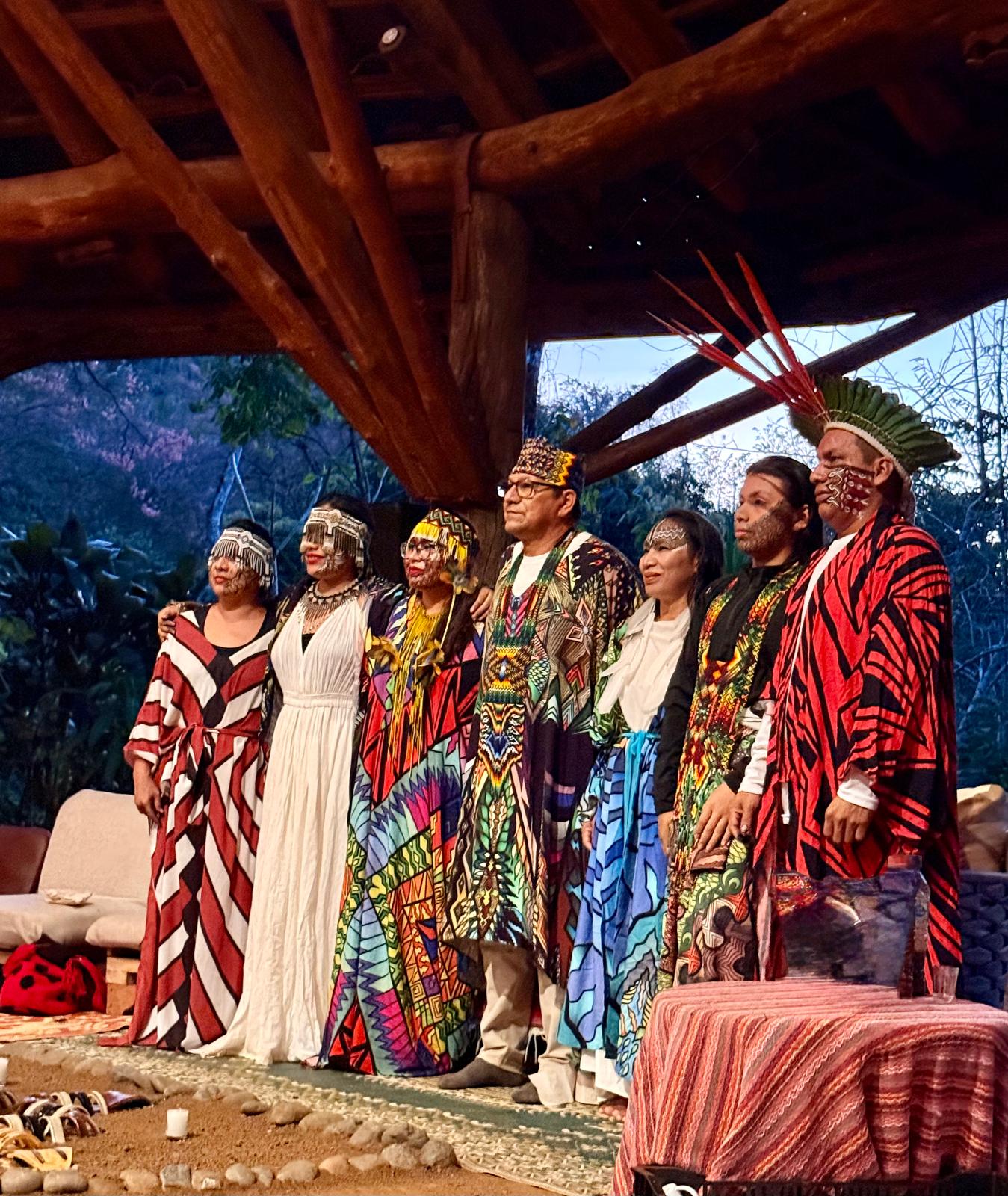
I first heard about Putanny from a friend some years ago and was intrigued by her story. She is a spiritual leader of the Yawanawa tribe, an indigenous people of the Brazilian Amazon. They primarily reside in the state of Acre, along the banks of the Gregorio River.
Missionaries made their way to their villages in the 1920s—an astonishing feat considering that even today, with modern forms of transportation, it can take five days to reach the more remote areas. The missionaries translated the Bible into the Yawanawa’s native language and taught them that their practices were, in fact, satanic. They experienced intense pressure to abandon their culture and embrace Christianity.
The Yawanawa are some of the great guardians of an ayahuasca tradition that was nearly lost due to missionary influence. For decades, they preserved it underground. Then, in the 1980s, they became the first indigenous group in Acre to secure legal recognition of their ancestral lands. The missionaries largely took leave, beginning a period of flourishing and replenishing of their ways—led by true spiritual revolutionaries. Thank goodness, because the Yawanawa carry a medicine of consciousness and planetary restoration that is absolutely vital in today’s world.
Putanny, alongside her sister Hushahu, endured two years of intensive spiritual and physical austerities—more than any man would ever be expected to suffer—in order to bring the divine feminine into its power in her tribe. Never before had a woman achieved the highest spiritual initiation from the tribal elders, but in 2005, Putanny became the first.
I was particularly intrigued to study with this tribe because the feminine sits in equal power and authority in their healings—something that was not true in the Colombian lineage where I had trained before.
Putanny and her husband, Chief Nixiwaka Yawanawa, have had many children who are now adults themselves, and together they work as a family. It’s a true family “business,” a family of healers, singers, and musicians.
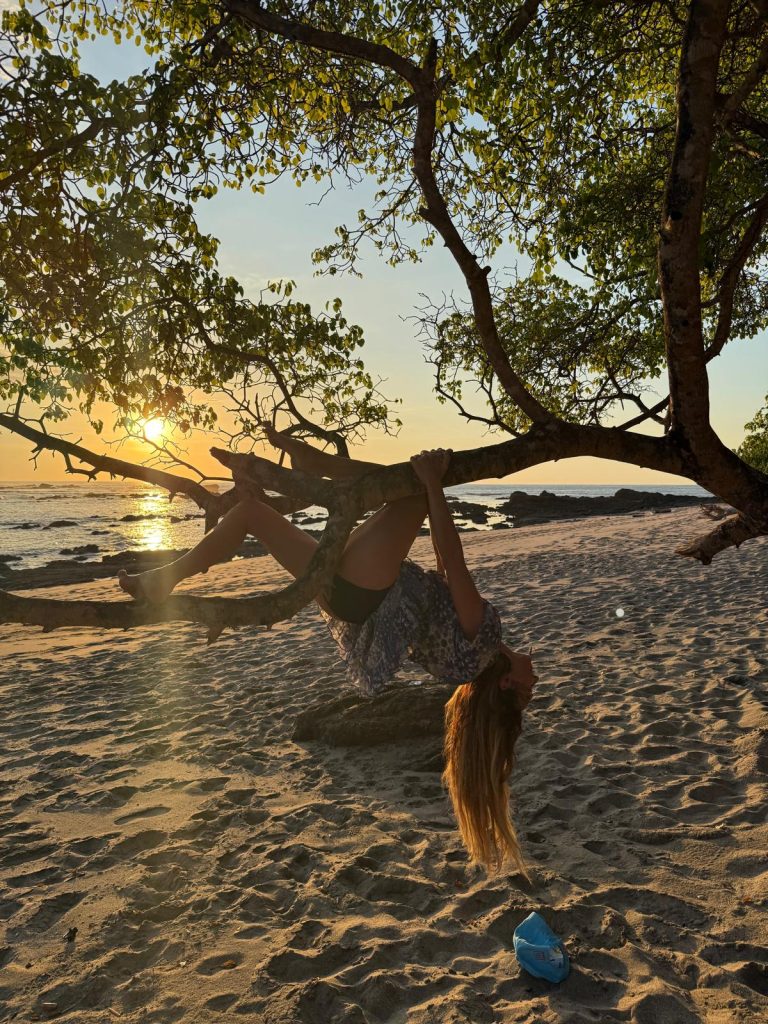
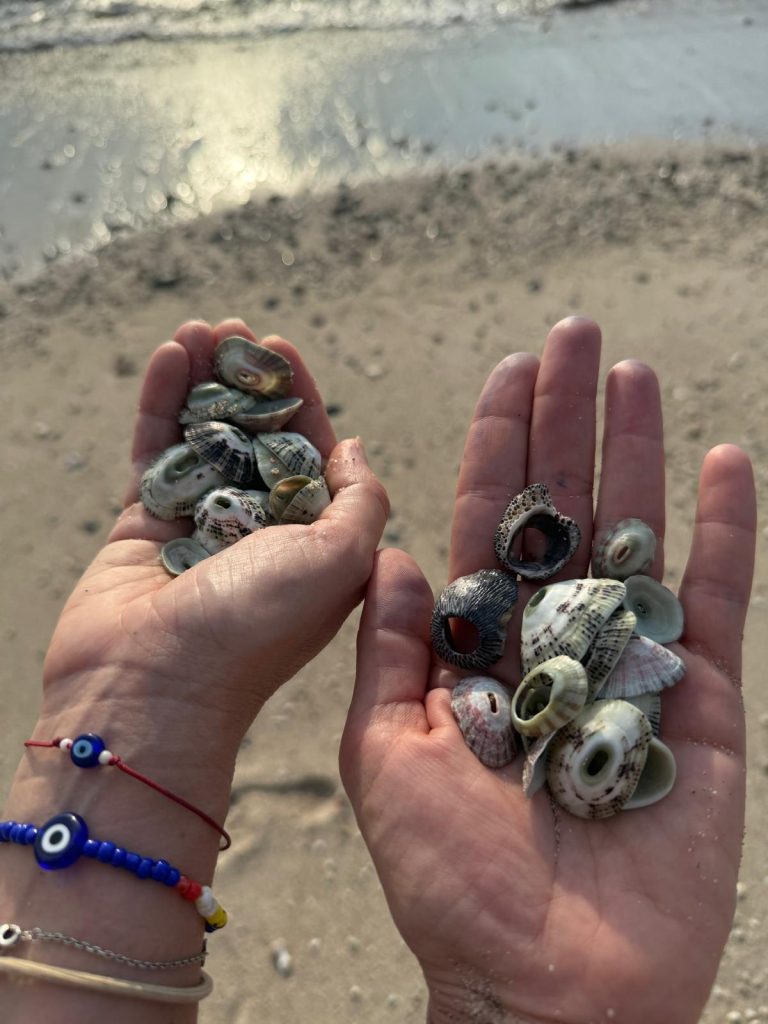
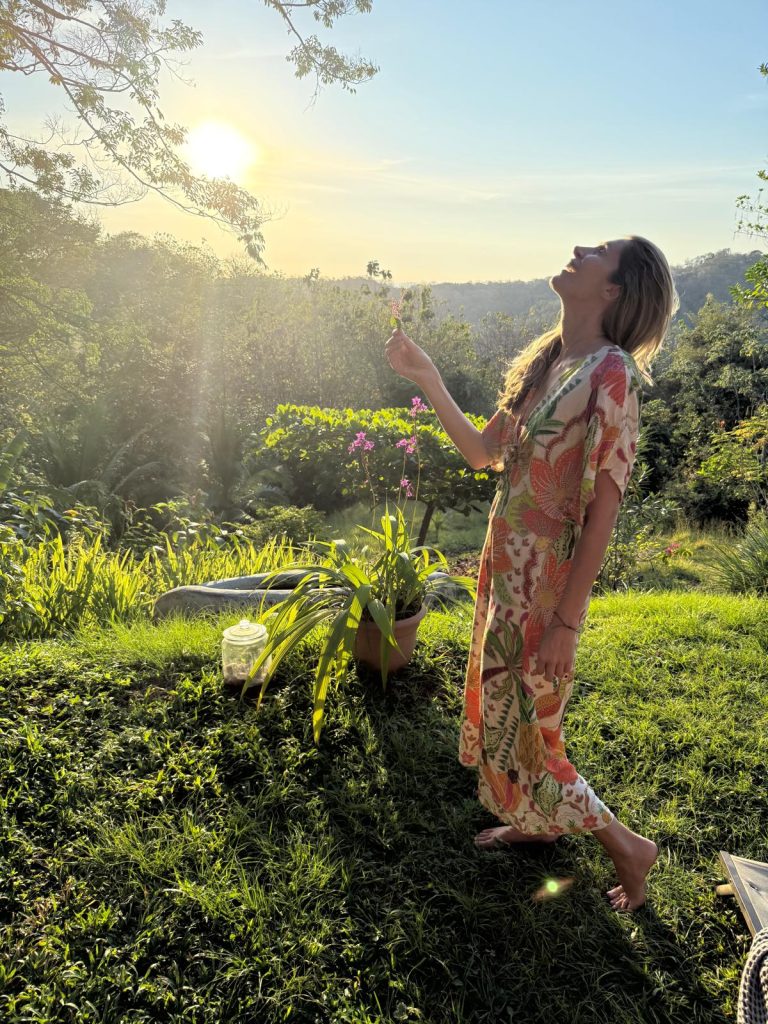
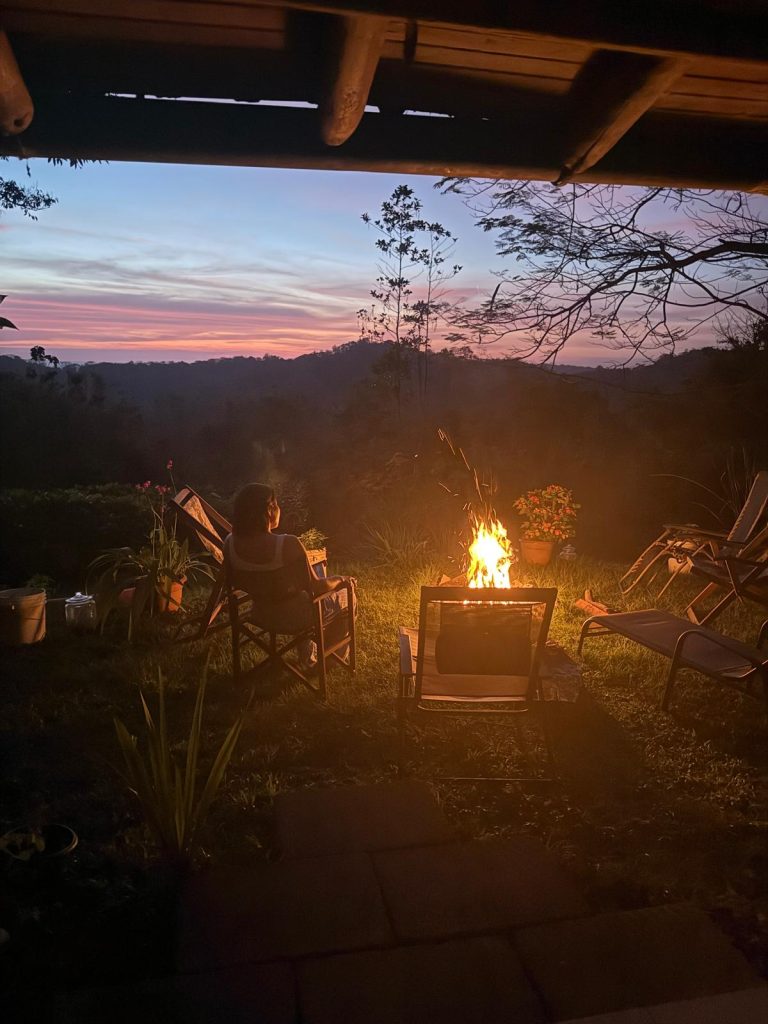
I traveled with some of my apprentices to Costa Rica, to the community of Pachamama, to sit with this family and receive their transmission. Pachamama is an intentional eco-community and spiritual retreat center on the Pacific coast of Guanacaste. It is an off-grid village where residents live in absolute harmony with nature.
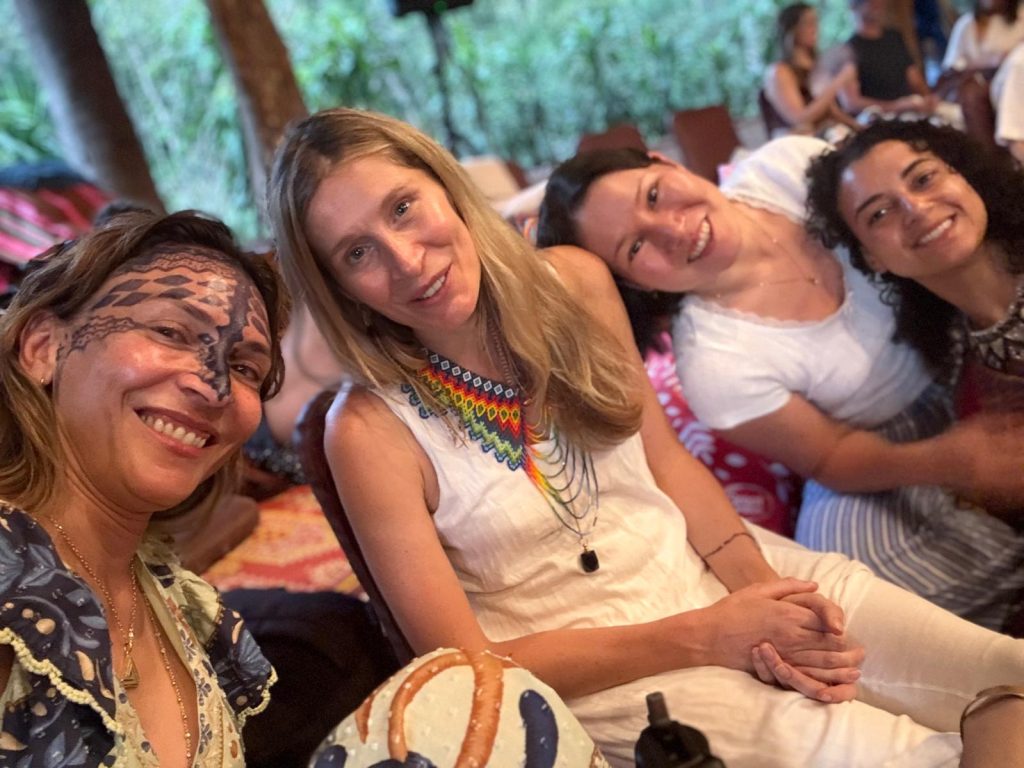
I have dear friends who live here—a couple I know well from my years of study with the Colombians, as they, too, apprenticed with the same lineage. They are elders, original members of the community of Pachamama, and some of my favorite humans for how simply they live.
I have always looked ahead of my age to find mentors, usually a decade or two older. I ask myself: What have they done that works? How do they live, love, and move through the world? But as I’ve grown older, it’s become harder to find those mentors. People don’t age well in our culture. We don’t respect or want to spend time with old people, and often find them intolerable.
It’s important to pay attention to why that is the case, and see what you, in your own life, want to do differently if you don’t want to end up like that.
My personal nightmare would be to end up in some planned community, driving a golf cart, in a daily routine that is a Groundhog Day of sameness—complaining to everyone that my kids never come to visit. It seems to me that in the West, as we age, we seek ever-increasing comfort. But given that so much of my spiritual fortitude comes from not seeking comfort, but the opposite—facing challenge—why would that be any different as I age?
That is why I love spending time with my friends at Pachamama, who are now in their 70s but are as vibrant, interesting, and alive as anyone I know in their 20s. I observe how they live and take notes.
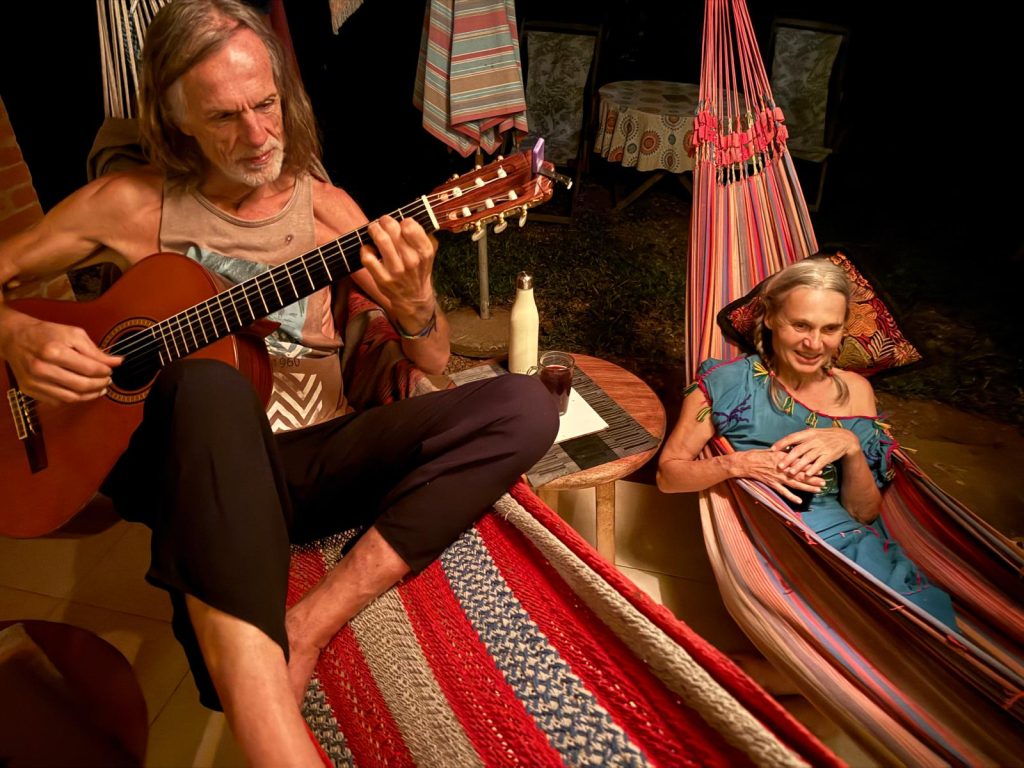
They live barefoot and chop wood, not a TV in sight. They grow their own food, run sweat lodges, and spend all their time in nature. They are super cool, and who I aim to become as I, too, enter the sunset of my life.
They were the perfect hosts for our time with Putanny.
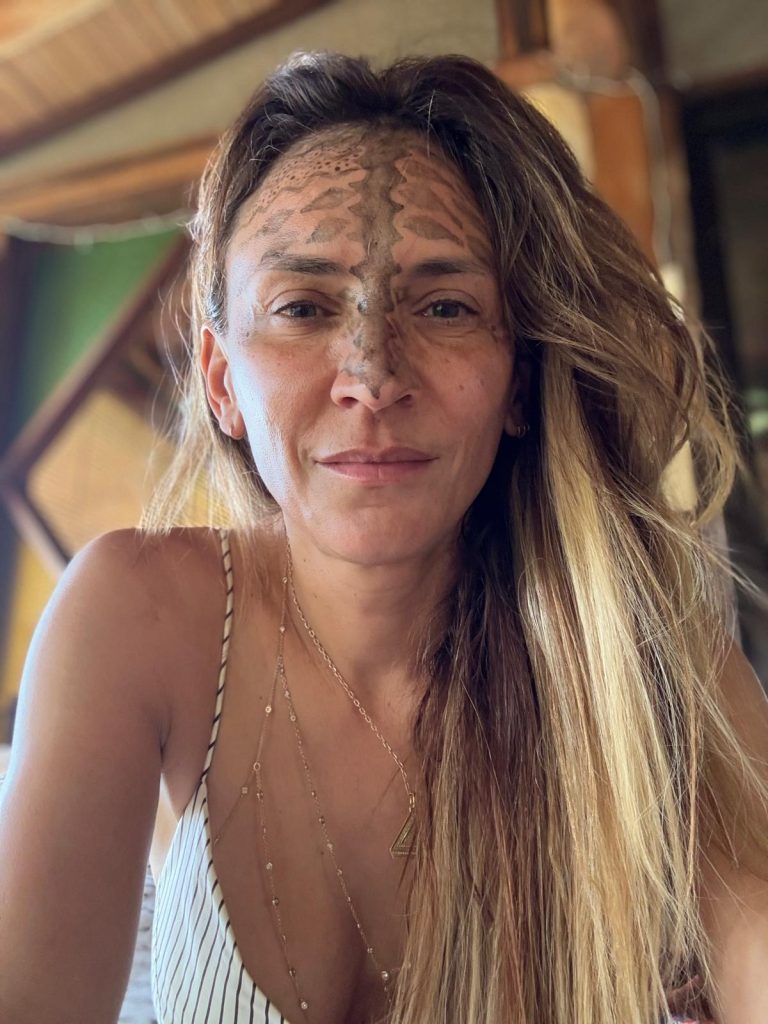
Our healing ceremony with Putanny started in the early evening. She walked in—truly a queen—wearing white with long white feather earrings and her face painted with tribal designs. She was accompanied by her husband, daughters, and niece.
We prayed and danced together until the early morning. I have never heard such beautiful music—prayers at full volume of the heart, sung nonstop, one after the other. I was astonished by the beauty of this tribe and humbled by their connection and service to the planet.
The indigenous have so much to teach us about modern life. They still hold the thread of connection to the earth, while many of us have lost it— whether through building businesses that destroy the earth or simply neglecting small acts like recycling. It is so important that we remember and return to these origins of life.
We are creatures of Middle Earth, but we have forgotten what it feels like to know Earth as our own heart, to protect it as our own heart, to feel its pain as our own. As technology and AI advance, the mandate to awaken is increasing. I cannot recommend enough the importance of study with the indigenous, whether you can do so in person or by remote means, as they are the ones who hold intact this thread of life that is so vital.
When I was in college, I was a staunch environmentalist. I bathed only twice a week to save water and didn’t own a car, preferring to bike instead. I recycled everything, and lived with just two or three outfits and a single pair of shoes.
Then, toward the end of college, I met my first spiritual teacher and started to dive into the journey of awakening. At the time, my environmental activist friends criticized me for wasting my time on “navel gazing” when the mission to “save the earth” was more important.
However, this is a mistake. Awakening and environmentalism are one single thing. We are not separate from the divine, just as we are not separate from the earth. Self-hatred is not different from the mindless tossing of plastic into the garbage.
So in this special jungle edition of The Circadian Collective, I offer you this humble reflection:
Take time to be in nature, to down regulate your nervous system. Plant your feet in the dirt. Don’t seek comfort, seek challenge. Prefer off-grid over luxury.
Find your teachers, your mentors—even if you are old. Keep studying. Keep praying. And give tribute to those who have held the wisdom of the ancient people, even as we run as fast as we can to forget these lineages that have for so long understood the mysteries of the universe far beyond what we understand.
In our next newsletter, I will publish the answer to this question:
“What should someone who lives and speaks truth do if they discover their partner is cheating and lying—while pretending to live by the same values? Why would a partner who claims to uphold truth and morality behave this way? Should the truthful one walk away?”
I prayed into your question with Putanny, and for now, I leave you with this:
“Love is a series of impeccable agreements.”
More to come on that soon!
In everything we trust,
Sylvia