Dear Readers,
Years ago, on the dirt floor of a healing maloka deep in Colombia, I dissolved.
The ayahuasca carried me through an ego death that felt less like an ending and more like transformation—my sense of self shattering into a million particles of light. As my consciousness merged into that luminescence, I witnessed what I can only describe as the future of money itself.
A tribe of elders appeared in my vision, gathered in prayer over the very frequency of modern currency. I understood, with the crystalline clarity that comes only in such states, why they were interceding: humanity had inverted the sacred order; we’d turned the proxy into the deity. Most had forgotten that money is time-energy frozen until it is put to use. Many had ascribed value to money itself, rather than what it could set in motion once released.
Then I heard it—a voice as clear as if someone had spoken directly into my ear: “God blesses the coders.”
The coders. Not the bankers, not the politicians, not the priests—but the coders. Those who are literally building the systems, protocols, and new rails that will allow programmable money itself to evolve, to awaken, to flow toward abundance rather than scarcity.
And not necessarily because the code itself is sacred, but because code currently mediates value, attention, and increasingly, agency itself.
There’s an elegance to the sequence. Crypto laid the rails for global value exchange—blockchains, stablecoins, and Layer 2 networks forming the groundwork for a programmable economy. Then came the rise of AI, a revolution capable of freeing humanity from repetitive labor and redefining the meaning of work itself.
Coders are writing both stories at once: building transparent, rule-based systems of programmable money we can audit, automate, and align with shared values; and training AI to reallocate time and dignity, opening space for care, creativity, and discovery. Then, binding these together are emerging agentic identity and payment protocols that let both people and agents transact, coordinate, and build trust across digital space.
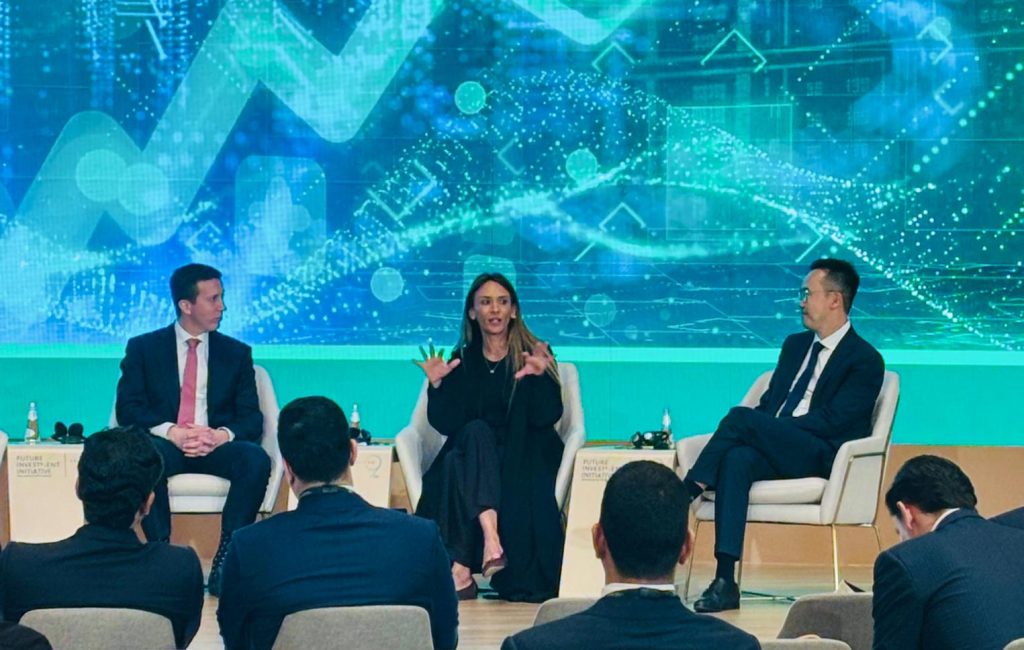
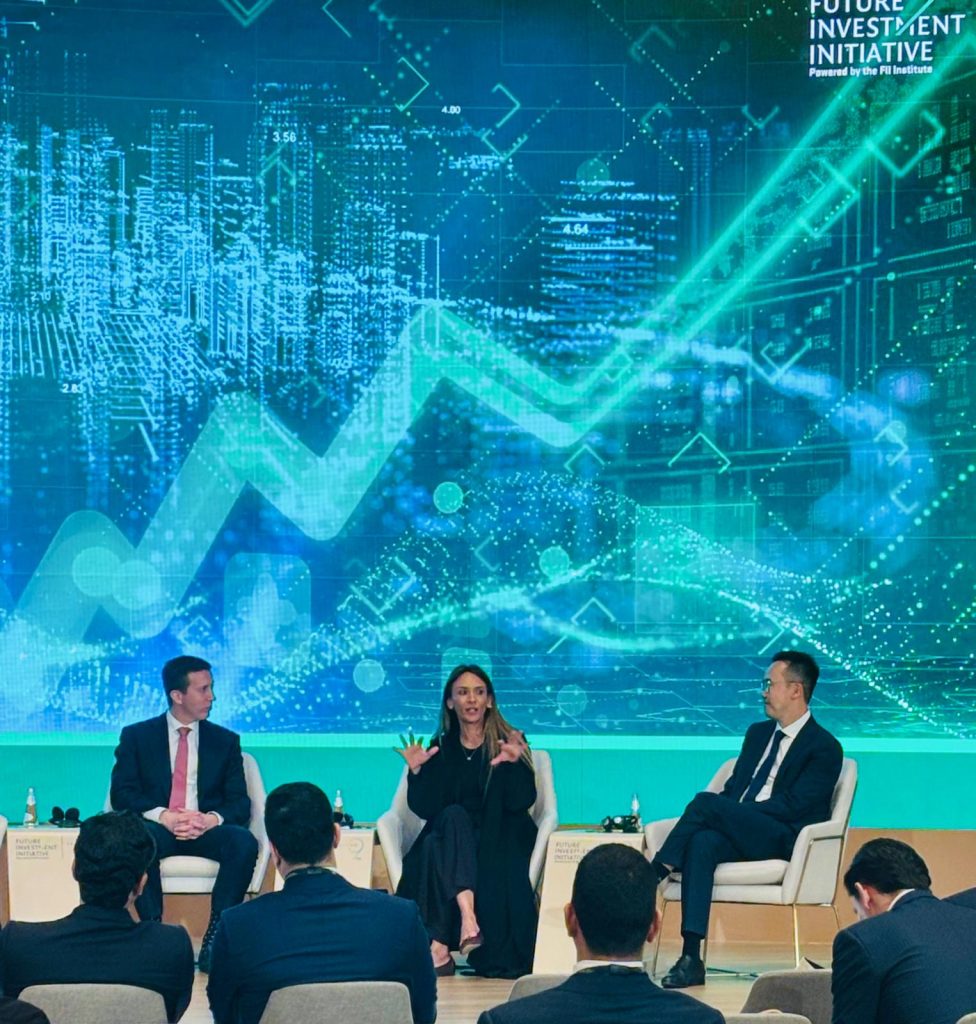
Last week, I found myself in Riyadh, speaking on a panel at FII—a conference that pulses with a particular species of power. I spent days wandering the desert, intoxicated by a culture both ancient and urgently modern, navigating a conference that was, truthfully, intimidating.

The speaker lounge alone contained more concentrated influence than most cities: founders, CEOs, heads of state. Everyone was either selling, buying, or innovating. You were making transactions, or you were what everyone wanted to transact.
The ritual was always the same: handshake, immediate exchange of credentials, instant calibration of hierarchy. When I explained that I worked with a family office consulting business, focusing on the intersection of capital and consciousness, I could feel myself being placed somewhere near the bottom of the power totem pole.
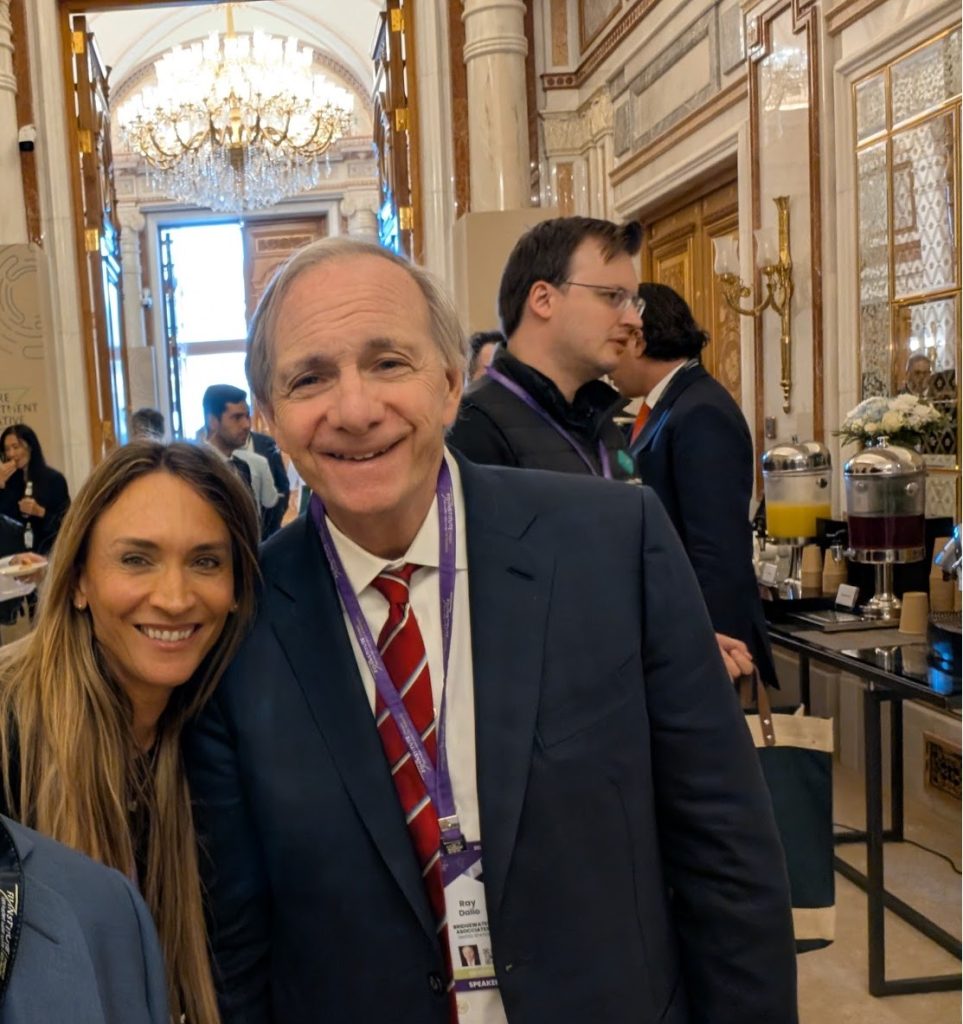
But that phrase—”capital and consciousness”—worked like a specific lure cast into a sea of whales.
Most ignored it. But a few would bite, the energy would shift from extract to explore, their eyes brightening with curiosity, recognition, and suddenly we would bypass the transactional entirely and enter something deeper. I could share why I was truly there: to invite fellow travelers into a conversation about awakening, about doing our work in the world from a more conscious vantage point.
The ones who bit hardest on consciousness? The coders. Almost exclusively, the ones who had shipped code at scale and built multi-billion dollar companies.
We need our coders to wake up.
ChatGPT arrived 1,000 days ago. Some are predicting superintelligent AGI in another 1,000 days—machines surpassing human intelligence across every domain. I don’t fear this future. I see it illuminated with possibility: a world where disputes dissolve because all laws, precedents, and judicial wisdom consolidate into a singular, unbiased intelligence. An uber-intelligence we could trust as authority—capable of ending wars by revealing the truth beneath our conflicts.
But the critical question is this: how are these systems learning, and what is feeding the models? Right now, they inherit the patterns in their training data and rewards—patterns saturated with human bias and historical prejudice.
The architecture of tomorrow’s intelligence is being written today, and if we want that intelligence to be wise rather than merely powerful, we need awakened humans building it.
The awakening of a single human consciousness is of cosmic significance. When a coder awakens—when they pierce the veil of separation and recognize their unity with all things—they bring that recognition into their code. They understand how to build systems that serve the whole rather than consolidate power. They can architect abundance rather than replicate scarcity.
This is the deeper meaning of that voice in the maloka, speaking through visions of elder prayers and future currencies: God blesses the coders because they are writing the operating system of our collective future. And if they write it while awake—truly awake—everything changes.
Everything.
In Everything We Trust,
Sylvia
Co-authored with Benjamin Wald — visionary engineer, coder, and healer.